Estimated reading time: 4 minutos
Health investment in Latin America drives economic growth and social progress across the region. Between September 28 and October 2, Washington gathered health authorities for the 63rd Directing Council of the Pan American Health Organization (PAHO). Meanwhile, on September 30, the Atlantic Council convened a high-level meeting on economic prosperity. FIFARMA participated in both forums with a unified message. Specifically, health is an investment in people, productivity, and resilience.
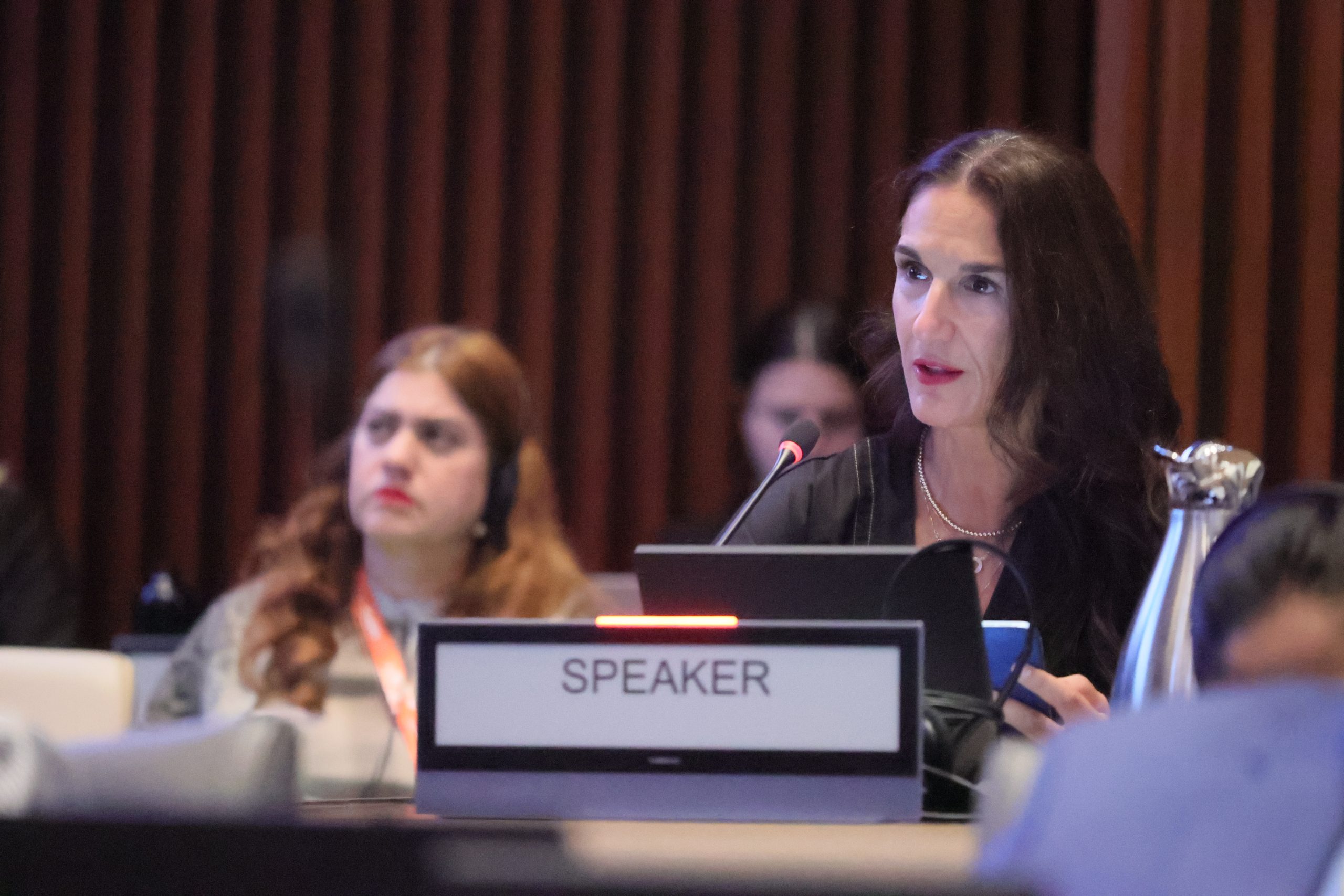
FIFARMA’s Message Before the Directing Council
At PAHO’s 63rd Directing Council, Yaneth Giha emphasized a central idea. “Health must be understood as an investment in people, productivity, and the resilience of our societies,” she stated. Therefore, prioritizing health investment in Latin America is essential for sustainable progress.
However, for that investment to yield results, “investing more must be accompanied by investing better”. Consequently, countries must strengthen care from prevention to appropriate treatment. Progress should also be measured from the patient’s perspective. “Regulatory approval is an essential milestone, but effective access occurs when patients can receive the technologies they need”.
During World Heart Day week, Giha highlighted significant WHO findings. Improving hypertension treatment yields economic benefits that outweigh costs by approximately 18 to 1. In addition, lifetime immunization plays a vital role in broad disease prevention.
Regarding Regional Revolving Funds, FIFARMA recognized their contribution to regional access. Furthermore, flexible mechanisms created through private-sector dialogue help ensure supply continuity. “A truly resilient system must be able to transform scientific progress into better outcomes for patients,” Giha concluded.
The Conversation Continued at the Atlantic Council
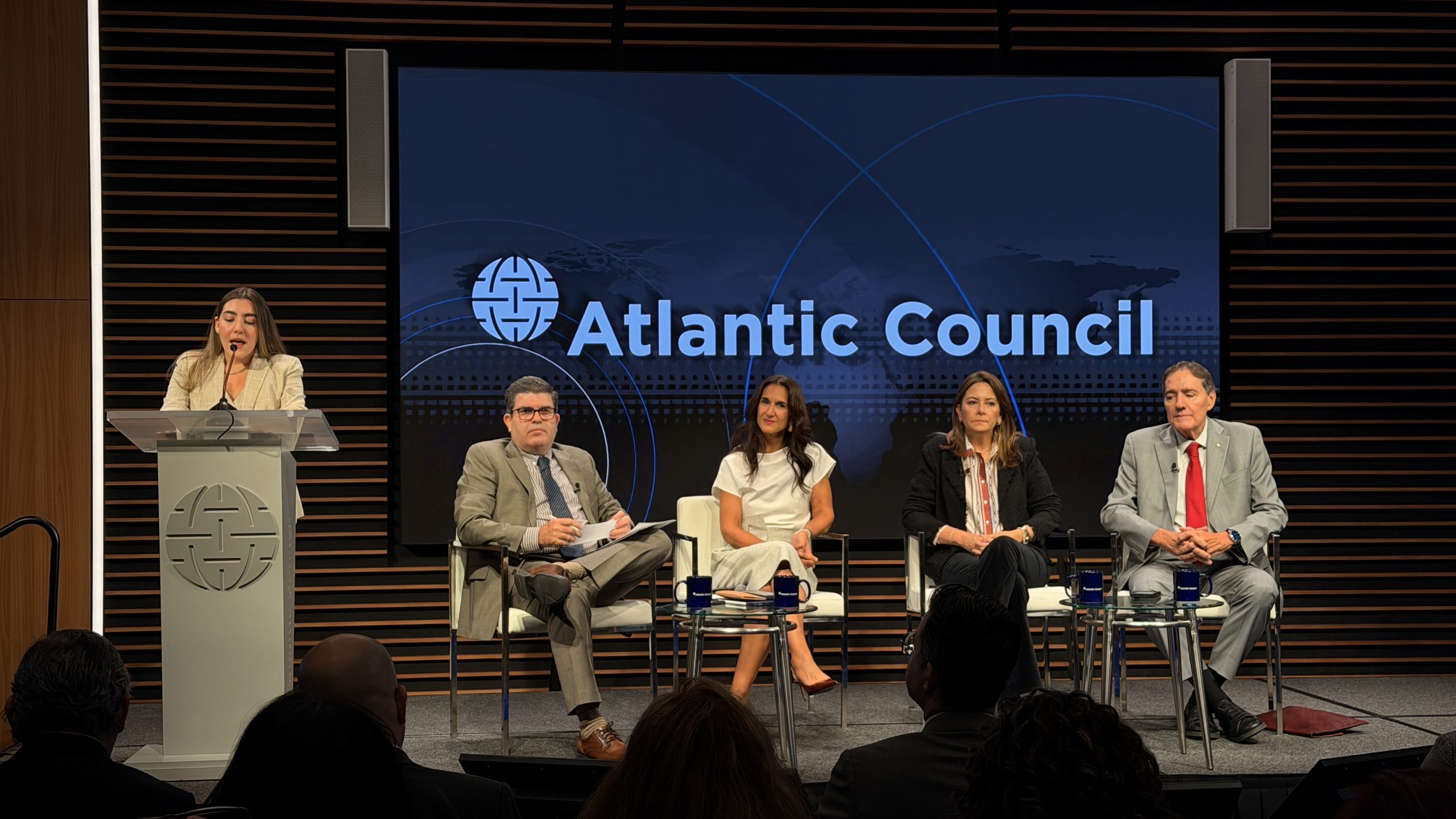
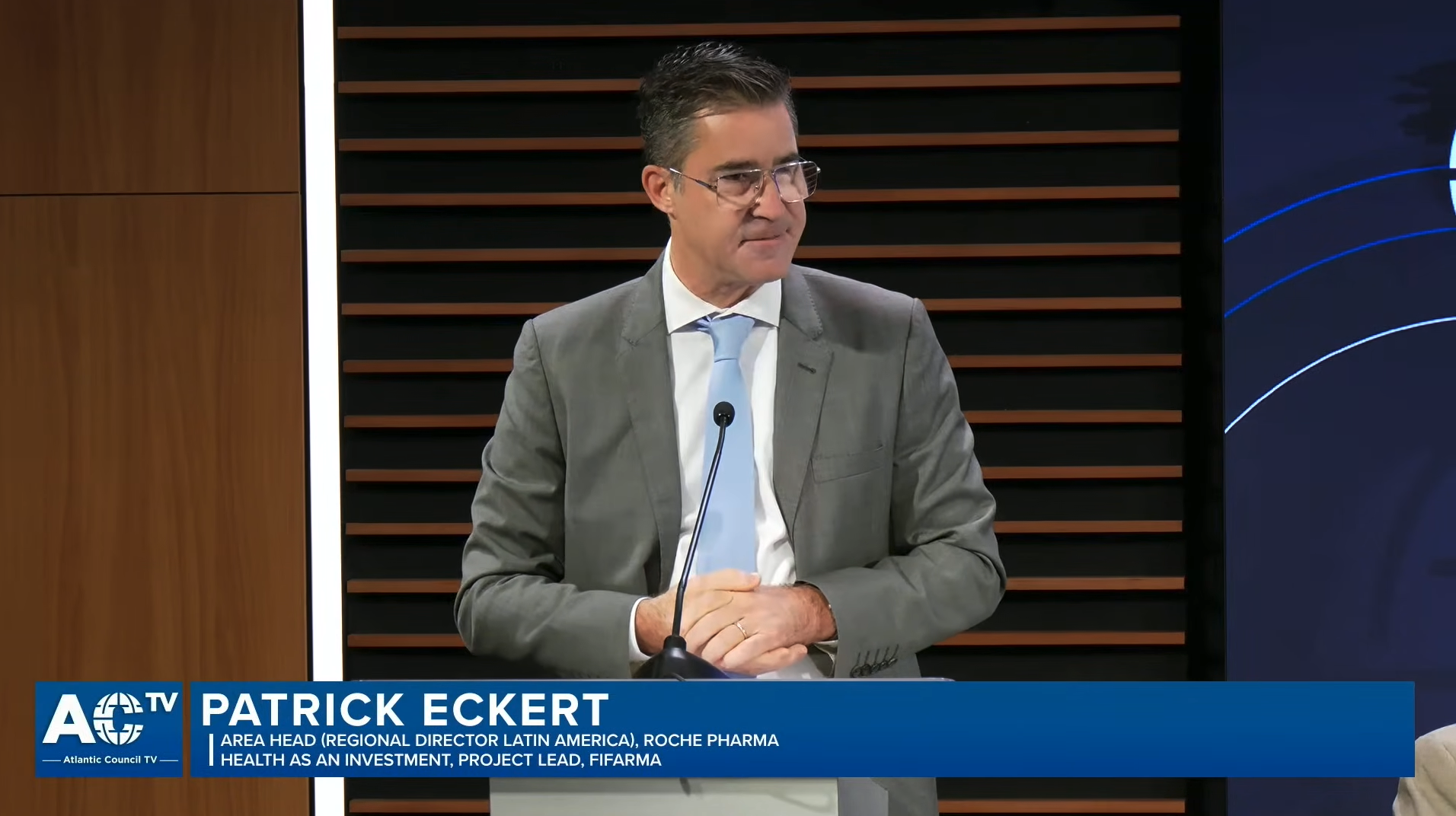
At the Atlantic Council forum, Yaneth Giha joined prominent health leaders. The panel included Colombia’s Minister of Health, Ana María Vesga, and PAHO Director, Dr. Jarbas Barbosa. Regional authorities such as Dr. Manuel Zambrano from Panama and Dr. Saúl Flores from Argentina also participated. Together, they analyzed how to integrate smart financial strategies into health systems.
“To champion innovation in budgetary decisions, we need, first, more and better data; second, a persistent and consistent dialogue among all stakeholders; and third, to build with the long term in mind. If we in the region are able to give ourselves that time, we will be able to convince resource allocators that investing in health is investing in development.”
— Yaneth Giha, Executive Director of FIFARMA
When a Person Recovers, the Entire Country Moves Forward with Them
The WifOR Institute and FIFARMA measured economic productivity across eight countries. Their study shows how strategic health investment in Latin America directly impacts economic output.
The central finding reveals that disease costs the region 3.5% of its annual GDP. This loss stems from missed working hours and reduced active life years. Behind this statistic are real workers, caregivers, and early retirees.
“It is important to take into account the cost of not investing. The pandemic clearly showed that if health does not function, the economy does not function. Only 30% of people with hypertension have it under control; many receive care only after their first stroke or heart attack.”
— Jarbas Barbosa, Director of the Pan American Health Organization (PAHO)
For example, non-communicable diseases like cancer caused losses equal to 3.9% of GDP in 2022. Therefore, population health reflects more than saved lives. It enables people to study, work, create, and support families.
“It cannot be that the way we achieve cost reduction is by halting access to innovation in the country, which is where the tap ends up being tightened or shut off. We must achieve sustainable access, and this depends on how we contract and establish transactions among stakeholders.”
— Ana María Vesga, Minister of Health and Social Protection of Colombia
When countries invest in health innovation, they strengthen public infrastructure. Moreover, this approach improves quality of life and supports workforce participation.
“We have to transition from the concept of health expenditure to health investment. To do that, we must translate data into numbers, because that is the language of Ministries of Economy and Finance, and thereby explain to them the benefit of investing now.”
— Dr. Manuel Zambrano, Vice Minister of Health of Panama
The Opportunity to Invest More and Better in Health
The World Health Organization recommends allocating at least 6% of GDP to public healthcare. Currently, regional public spending averages only 4.1%. However, several nations are closing this gap successfully. These examples prove that higher funding goals are achievable.
Furthermore, studies by FIFARMA and Duke University highlight the importance of strategic allocation. Rather than repeating historical budget baselines, health planning should rely on evidence-based decision-making. This structural shift maximizes the value of health investment in Latin America.
“Public policy isn’t just about the four-year administration period, but about something beyond: 10, 15, 20 years. What we fail to do today, we will pay for in the future. And the best investment remains prevention—keeping people from getting sick.”
— Dr. Saúl Flores, Secretary of Health Management at the Ministry of Health of Argentina
Additionally, stronger public funding directly protects household finances. Today, out-of-pocket expenses cover nearly 30% of regional healthcare costs. Expanding public budgets allows more families to access essential treatments without financial hardship.